BRISBANE, Nov. 10, 2026 — Virgin Australia told the market it is still on track for its first-half earnings target, but it will fly fewer domestic seats over the next two quarters than it did a year earlier.
Capacity and earnings
| Period (Virgin’s fiscal year) | Domestic capacity vs. a year earlier |
|---|---|
| 1Q FY27 (July–September 2026) | Down 1% |
| 2Q FY27 (October–December 2026) | Down 4% |
| 3Q FY27 (January–March 2027) | Down 4% |
- First-half FY27 underlying EBIT is expected to be broadly in line with the same period a year earlier.
- Revenue per available seat kilometre is expected to rise 6%–8%.
- First-half fuel costs are about A$700 million, and Virgin expects them to rise in the second half.
Fleet
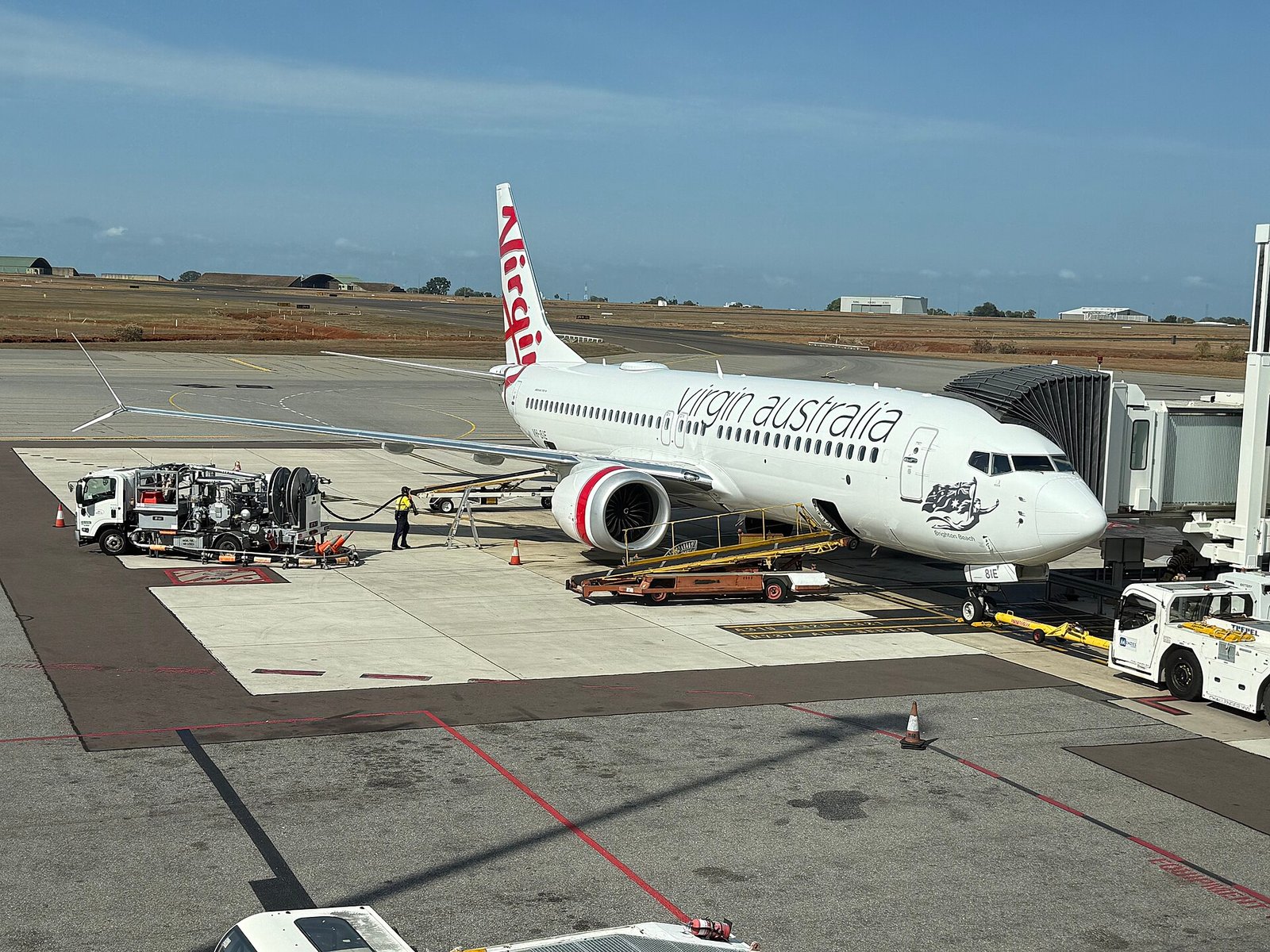
So far this fiscal year Virgin has taken delivery of five Boeing 737-8 MAX jets and two Embraer E190-E2s, and it has bought out four leased 737-800s. Its first 737-10 is due in June 2028. The annual general meeting is Nov. 20. Virgin did not name specific routes or job changes.
What it means for non-revs
- Domestic seats fall 4% over the Christmas and summer holidays (October–March). Expect higher loads and harder standby on Virgin’s domestic network until at least April.
- With Virgin’s revenue per seat forecast up 6%–8%, there will be fewer empty seats left over for standby.
- Qantas has also guided domestic capacity down 3% for July–December 2026, so moving to the other carrier may not help much.
Sources
- Travel Weekly: Virgin Australia holds earnings outlook but trims domestic capacity
- The Motley Fool Australia: 5 things to watch on the ASX 200 on Tuesday 10 November 2026
- ABC News: Qantas to cut 850 corporate jobs as it moves roles overseas in Accenture deal
Get NonRev Travel News by email




ADVERTISEMENT
A weekly recap newsletter, sent out every Sunday, with the airline, airport, cruise and travel-warning news that matters to airline employees and retirees. Free.
Subscribe free